Skip to content
Latest: Picket Fence Repair: Why Cedar Boards Cup, Split and Pull Their Nails
Fence repair in Edmond, OK

Fence Repair in Edmond, OK

Wood, cedar, and chain link fence repair with free estimates and fast, single-visit service.

Call (405) 348-6127

From the Blog

  1. 5 Nov 2026
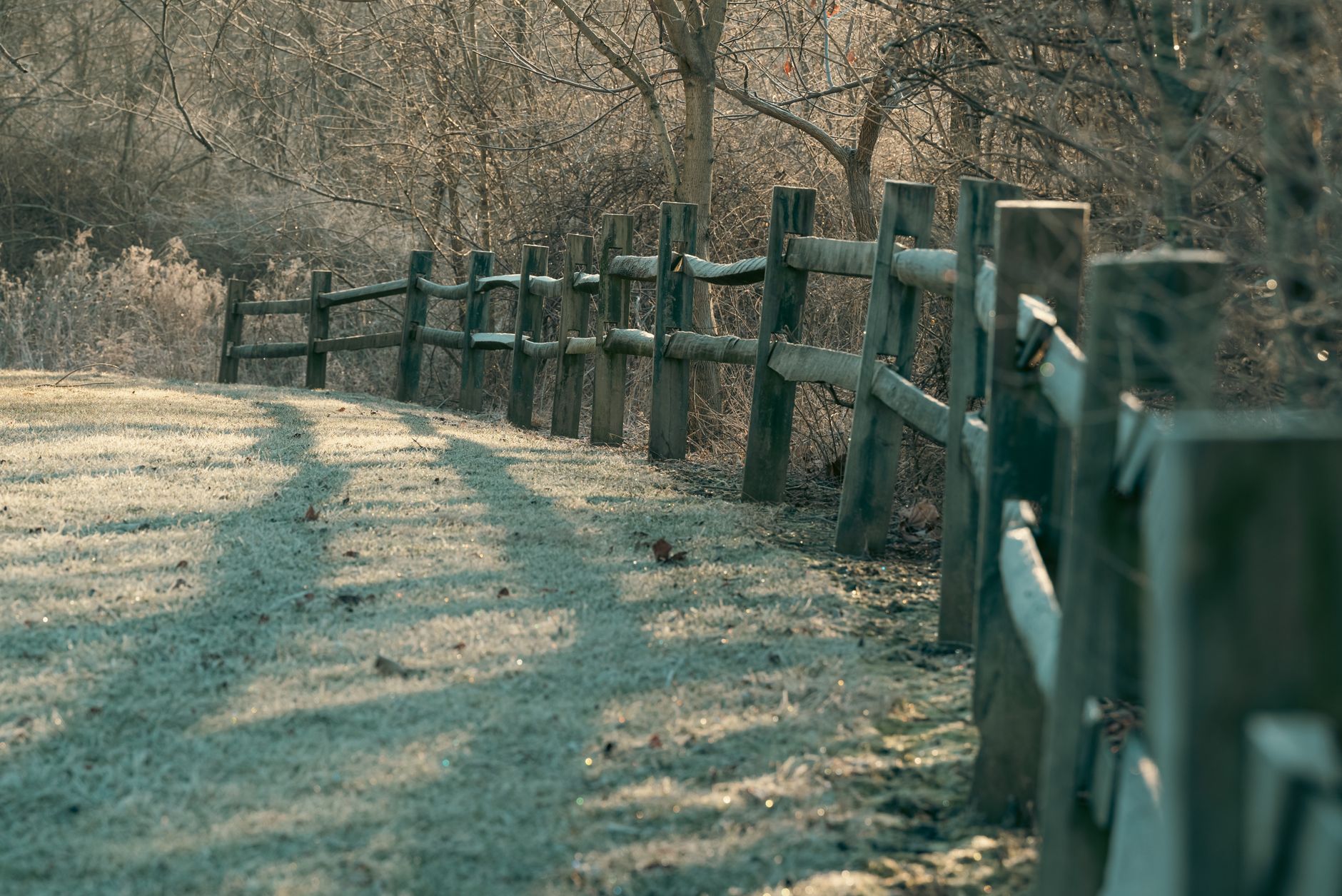
    A scenic view of a rustic wooden fence lining a frosty pathway amidst bare trees and winter foliage in Edmond, OK

    Walk along almost any privacy fence that has been up for six or seven years and you can hear it before you see it. A picket taps against its rail when the wind picks up. Another has a nail head standing a quarter inch proud of the board. A third has a split running up from the bottom fastener, and a fourth has curled so far across its width that light shows down both edges. None of the posts are leaning. The rails are straight. The fence is structurally fine, and it still looks tired, rattles, and lets the neighbour's dog see through it.

    That kind of wear is the most common reason anybody calls about a wood fence, and it is also the most misunderstood, because it gets blamed on cheap lumber when the real cause is almost always the way the boards were fastened. Cedar moves. It swells across its width when it takes on water and shrinks when it dries, and a fastener that was chosen and placed without allowing for that movement will lose the argument a little at a time, every season, until the picket is loose.

    The good news is that a picket problem is a cheap problem if it is caught while the boards are still sound. Re-fastening a run properly takes a fraction of the time and material of replacing it, and done right it outlasts the original nailing.

    Why a cedar picket cups

    Cupping is the board curling across its width so that one face goes concave. It looks like a manufacturing defect, but it follows directly from how the board was cut out of the log.

    Wood shrinks roughly twice as much along the growth rings as it does across them. A flat sawn picket, which is what nearly all fence stock is, has its growth rings running in arcs across the end of the board. When that board dries, the side that grew closer to the bark shrinks more than the side closer to the centre, and the board pulls itself into a shallow curve. Look at the end grain of a cupped picket and the curve of the rings will usually tell you which way it wanted to go.

    The second driver is uneven moisture. A picket that gets sun on one face and stays shaded and damp on the other dries unevenly, so the wet face stays swollen while the dry face shrinks. Pickets on the north side of a run, pickets behind shrubs, and boards beside irrigated lawn all cup more than their neighbours for that reason.

    What decides whether cupping becomes a problem is the fastening. A picket held with fasteners near its centreline has nothing restraining its edges, so it curls freely. A picket held with fasteners set out toward its edges is held flat while it moves. That is the first thing to look at on a cupped run: where the nails or screws sit across the width of each board.

    Why a picket splits

    Splits on fence pickets nearly always start at a fastener, and most often at the bottom rail. Three things are usually involved.

    Fasteners driven too close to the end of the board leave too little wood between the shank and the end grain, so when the picket shrinks the wood has nowhere to go but apart. Builders working fast often ignore end distance at the bottom rail because that is simply where the rail happens to sit.

    Fasteners driven too close together across the width cause the same problem sideways. Two nails an inch apart in a narrow picket pin the board at two nearby points, and as the wood shrinks the stress concentrates in the strip between them.

    Oversized or blunt fasteners wedge the fibres apart rather than cutting through them. A heavy smooth nail fired from a framing gun into thin, dry cedar is effectively a splitting wedge. The split may not show on day one. It opens during the first hot dry stretch, when the board shrinks hard against a fastener that will not let it move.

    A split picket is not always a dead picket. A hairline that has not reached the edge and is clear of the fastener is cosmetic. A split that runs from a fastener to the end of the board, or has opened wide enough to let the fastener rock, means that fastener is holding nothing and the board needs fresh fastening or replacement.

    Why nails back out

    The nail head standing proud of the picket is the clearest symptom of all, and the mechanism is simple once you see it.

    When cedar swells it grips the nail shank and pushes the board outward along it. When it shrinks, the board pulls back toward the rail, but the nail does not follow, because friction alone is holding it and nothing is pulling it back in. Each wet and dry cycle walks the nail out a little further. Central Oklahoma gives a fence a lot of those cycles, from spring downpours through August heat to winter ice, so a fence around Edmond can show smooth nails creeping out within a few years.

    Smooth shank nails are the worst for this. Ring shank nails resist withdrawal far better, because the wood fibres lock into the ridges. Screws resist it better again, because the thread is mechanically engaged with the wood.

    Corrosion adds to the problem in a way people rarely suspect. Modern pressure treated rails use copper based preservatives, and copper is hard on plain steel and thinly coated fasteners. An electroplated or bright nail in a treated rail can corrode where it enters the rail, losing grip and leaving a dark streak running down the picket. Hot dip galvanized or stainless fasteners hold up in treated lumber. Cheaper coatings frequently do not, and the streaks are the giveaway.

    Reading a run before deciding what to do

    Before anybody starts pulling or driving fasteners, walk the run with a plan, because the pattern of failure tells you whether the problem is a handful of boards or the method used on the whole fence.

    Count the loose pickets and note where they are. A few scattered loose boards on a mostly tight run usually means individual boards that took a bad nail or sat in a wet spot. Loose boards spread evenly along the whole length means the fastener choice itself was wrong, and every picket will follow eventually.

    Push on each picket at its top and its bottom. A board that moves at the bottom but not the top has lost its bottom rail fastener, usually to a split or to ground moisture. A board that moves at both has backed out at both rails.

    Look at the fastener heads. Proud heads mean withdrawal. Streaking means corrosion. Heads pulled through the wood, with the board still loose around them, mean the fastener was too small for the job.

    Finally, probe the picket bottoms with a screwdriver. Re-fastening a board whose lowest few inches are spongy just puts a good screw into bad wood.

    If you end up searching for fence repair near me after a run starts rattling, having that count in hand makes the conversation with a contractor short and specific, and it makes quotes comparable.

    How a proper re-fastening is done

    Re-fastening is not driving the old nails back in. A nail that has backed out once has enlarged its own hole and will back out again faster. The sound approach is new fasteners in fresh wood.

    Choosing the fastener

    For cedar pickets on treated rails, the usual choice is an exterior wood screw with a coating rated for treated lumber, or stainless where appearance matters. Stainless is the safest in cedar because the tannins in the wood react with plain steel and leave dark rings around the head. Length should put most of the threads into the rail without poking through the back.

    Ring shank nails in hot dip galvanized or stainless are a fair alternative where a crew prefers a nail gun. What they lack is adjustability: a screw can be backed out and reset if a board needs straightening, and a ring shank nail usually cannot come out without damage.

    Placing the fastener

    Two fasteners per picket per rail is standard, set roughly an inch in from each edge rather than bunched near the centre. That holds the edges flat against the rail, which resists cupping, and leaves the middle of the board free to move.

    Keep the new fasteners clear of the old holes, above or below them, so the threads bite undamaged wood. At the bottom rail, if the original nail split the board toward its end, the new screws go above the split, not below it.

    Pre-drill near board ends and on any picket that already shows a hairline crack. A pilot hole sized to the screw's core lets the threads cut their path without wedging the fibres apart, and it is the single habit that most reduces new splits.

    Straightening a cupped board

    A mildly cupped picket can often be pulled flat as it is re-fastened, especially after a few days of rain when the board has relaxed. Drive the edge screws a little at a time, alternating sides, and let the board settle against the rail. A board that fights back or cracks as you pull it in is better replaced, because it will strain against its screws for the rest of its life. Old nails that backed out can be pulled or driven flush; corroded ones are better removed so they stop staining the face.

    When a picket gets replaced instead

    Some boards are not worth saving. A picket with decay at its base, a split running its full length, a cup too severe to pull flat, or a fastener hole torn out to the edge should come off and be replaced.

    Measure an existing picket before buying replacements rather than ordering by nominal size. Thicknesses, widths and top profiles vary between mills, and a replacement slightly off reads as wrong even after the colour evens out. Set replacements an inch or two clear of the soil, since pickets touching the ground wick moisture straight up their end grain, and fasten them with the same screws and spacing as the rest of the run.

    Keeping a re-fastened run tight

    A re-fastened fence stays tight longer if the conditions that loosened it are dealt with at the same time. Pull back soil, mulch and beds so the picket bottoms clear the ground. Turn sprinkler heads that soak one section every morning. Keep vines off the boards, because they hold moisture against one face and drive exactly the uneven drying that causes cupping.

    Then check the run once a year, ideally in late summer after the driest stretch. Sight along the faces for boards starting to curl, push on a sample of pickets, and look for fresh streaks. One board caught early is a two minute fix. A rattling run ignored for three years is a weekend, and in the newer Edmond subdivisions where long cedar privacy runs went up in quick succession, the same pattern tends to show on whole streets at once.

  2. 1 Jul 2026
    A weathered wood fence in an Edmond, OK backyard

    Every fence has a clock on it, and in Oklahoma that clock runs a little faster. Between the summer heat, the wind, and the ice storms that roll through Oklahoma County, a fence here works harder than one in a milder climate. So how many years should you expect? It depends almost entirely on the material and how the fence is cared for. Here is a realistic breakdown.

    Wood and Cedar: 15 to 20 Years

    A well built cedar fence in Edmond usually lasts around 15 to 20 years, and pressure treated pine a bit less. The weak point is almost always the posts. Where a post meets the ground, moisture and clay soil go to work, and rot sets in from the bottom up. Sealing the wood every few years and keeping sprinklers from soaking the base can add real time. Neglect it, and you may be looking at repairs closer to the ten year mark.

    Chain link is the long distance runner. Galvanized or vinyl coated steel shrugs off most weather, and a good chain link fence often reaches 20 to 30 years. Its enemy is rust, which creeps in once the coating is scratched or worn, and tension that loosens over time and lets the mesh sag. Both are easy to catch early.

    Vinyl and Aluminum: 20 Years and Up

    Vinyl and aluminum fences do not rot or rust, so they tend to last 20 years or more with very little upkeep. What does them in is impact. A vehicle bump, a fallen limb, or a strong storm can crack a vinyl panel or bend an aluminum section, and those get repaired piece by piece.

    What Shortens a Fence in Edmond

    Three local factors do most of the damage around here:

    • Clay soil. Edmond sits on soil that swells when wet and shrinks when dry. That movement heaves and loosens posts, which is why a leaning post is the most common repair we see.
    • Tornado Alley weather. Straight line winds and ice storms put sudden, heavy loads on a fence. A run that was already weak is the one that comes down.
    • Heat and sun. Long summers dry out wood and make older boards brittle and prone to cracking.

    How to Get More Years Out of It

    The homeowners who get the most life from a fence all do the same simple things. They fix small problems early, before one loose post pulls a whole section out of line. They reset posts in concrete instead of just tamping soil back around them. They seal wood on a schedule and clear vines and heavy brush off the fence line. None of it is expensive, and all of it buys years.

    If you are not sure how much life your fence has left, that is worth an honest look. Call Edmond Fence Repair Co. at (405) 348-6127 for a free inspection, and we will tell you straight whether a quick repair will carry it a few more seasons or whether it is time to plan a replacement.

  3. 15 Jun 2026
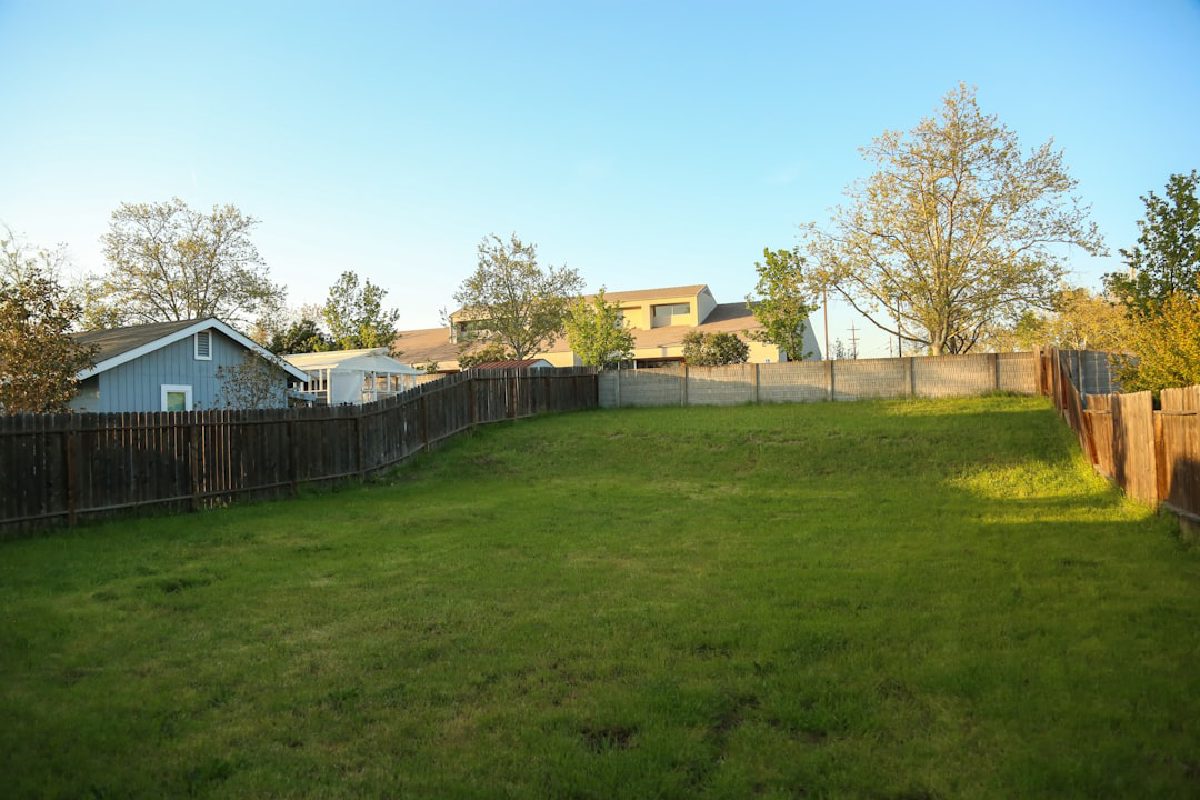
    A leaning fence section that needs repair in Edmond, OK

    A fence rarely fails all at once. It gives you warning signs first. Catching those signs early can save you money and keep your yard secure. Here are five of the most common signals that it is time to call for fence repair.

    1. Leaning Posts

    If a post is starting to tilt, the ground around it has likely shifted or the base has begun to rot. One leaning post puts stress on the sections next to it, so a small problem can spread fast.

    2. Loose or Missing Boards

    Cracked, split, or missing boards do more than look bad. They create gaps that pets can slip through and weaken the overall structure of the fence.

    3. A Gate That Sticks or Sags

    A gate that drags on the ground or will not latch is one of the most common repairs we see. Usually it is a hardware or alignment issue that is quick to fix once you catch it.

    For chain link fences, watch for rust, loose tension, and mesh that sags away from the posts. These issues let the fence slump over time and leave gaps along the bottom.

    5. Storm Damage

    Oklahoma storms can knock sections loose or flatten them entirely. If a storm has left your fence damaged, it is best to repair it quickly so your yard stays secure.

    Noticing any of these on your property? Call (405) 348-6127 for a free estimate and we will get your fence back in shape.

Edmond Fence Repair Co. handles fence repair in Edmond, OK, and we finish most jobs in a single visit. Cedar privacy panels, chain link mesh, sagging gates, rotted posts, loose tension wire, split rail sections, bent line posts, cracked pickets: if your fence leans, sags, or will not latch, we put it right. We work on wood, vinyl, aluminum, steel, and wrought iron, so it does not matter what went up around your yard years ago. We serve homeowners and small businesses across Oklahoma County, from the older streets off Broadway and East Second Street to the newer additions near I-35 and Arcadia Lake. Call (405) 348-6127 for a free estimate today.

Fence Repair Services We Offer in Edmond

A fence is one repair where the type of material changes everything. Wood fails one way, chain link another. We handle the full range, and we bring the right fix to each. Here is what we repair most often for Edmond homeowners.

Wood and Cedar Fence Repair

Cedar and pine privacy fences are the most common style in Edmond neighborhoods, and Oklahoma weather is hard on them. Sun dries the boards, rain swells them, and the end grain at the base of each post soaks up moisture until it rots. We reset or replace leaning posts, swap cracked and warped pickets, re-secure loose arris rails, and match your existing wood as closely as we can. See our full wood and cedar fence repair page for details.

Chain link is tough, but it is not indestructible. A fallen limb after an ice storm, a bump from a mower, or years of tension can leave you with sagging mesh, a leaning terminal post, or a gate that drags. We restretch and re-tension mesh, straighten or replace posts, repair the top rail and bottom tension wire, and re-hog-ring the fabric so it holds. Learn more on our chain link fence repair page.

Gate Repair and Realignment

A gate takes more abuse than any other part of the fence because it moves every day. When it starts to drag, stick, or refuse to latch, the cause is usually a sagging hinge post or worn hardware. We re-hang gates, reset gate posts, and replace hinges and latches so the gate swings clean and closes flush. Ask about gate repair and realignment when you call.

Fence Post Replacement

One failed post can drag a whole run out of line. Posts rot at ground level, snap in high wind, or heave when the soil shifts. We pull the old post, dig the footing, and set a new one in concrete so the line stands firm again. Fence post replacement is one of the most common repairs we handle.

Common Fence Problems We Fix

Most fences give you warning signs long before they fall. Catching them early keeps a small repair from turning into a full replacement. These are the issues we see most across Edmond.

  • Leaning posts. The number one cause of a failing fence. Once a post tilts, it pulls on the sections beside it and the problem spreads.
  • Wood rot. The base of a post and the bottom of the pickets absorb moisture and break down first. Soft, dark, or crumbling wood is the tell.
  • Rust and corrosion. On chain link and wrought iron, rust eats through the coating and weakens the frame. Galvanized and vinyl coated steel last longer, but nothing is permanent.
  • Sagging mesh. Chain link fabric loosens between line posts and droops, leaving gaps along the bottom where pets slip out.
  • Storm damage. Edmond sits in Tornado Alley. Straight line winds and ice storms flatten sections and snap posts, sometimes overnight.

Fence Repair Cost in Edmond, OK

Everyone wants a number, so here is an honest one. Most fence repairs in the Edmond area fall in the ranges below. These are typical figures, not quotes. The only way to get a firm price is a free on-site estimate, but this gives you a realistic starting point.

Repair Typical range What is involved
Picket or board replacement $150 to $600 Swapping cracked, warped, or missing boards
Leaning post reset or replace $150 to $450 per post Digging, resetting, and concreting the footing
Chain link mesh and tension repair $150 to $700 Restretching fabric, replacing ties and tension wire
Gate repair or re-hang $125 to $500 Hardware, hinges, and post realignment
Storm or full-section rebuild $400 to $2,000 and up Replacing downed panels, posts, and rails

What Affects Your Fence Repair Cost

Two repairs that sound the same can price very differently. A few factors move the number more than any other:

  • Material. Cedar and wrought iron cost more to match than pine or standard chain link.
  • Post condition. If the posts are sound, the repair is quick. If they need to come out and be reset in concrete, labor climbs.
  • Access and terrain. A backyard on a slope near Arcadia Lake takes longer than a flat, open lot.
  • Extent of damage. One panel is a fast fix. A full run knocked down by a storm is a bigger job.

We walk the fence with you, explain what needs to happen, and give you a clear written estimate before any work starts. No surprises at the end.

How Our Fence Repair Process Works

We keep the process simple so you always know what comes next.

  1. Call or request an estimate. Tell us what is wrong at (405) 348-6127 and we schedule a look.
  2. Free on-site assessment. We inspect the fence, check the posts, and price the repair in writing.
  3. We do the work. Most repairs are finished in a single visit, with materials matched to your existing fence.
  4. Cleanup and walkthrough. We haul off the old material and leave your yard the way we found it, minus the broken fence.

Fence Materials We Work With

Different materials age differently, and knowing what you have helps you decide whether to repair or replace. Here is how the common options compare.

Material Durability Maintenance Notes
Cedar High for wood Moderate, seal every few years Naturally resists rot, the local favorite
Pressure-treated pine Moderate Moderate Budget friendly, more prone to warping
Chain link High Low Galvanized or vinyl coated steel, easy to patch
Aluminum High Low Rust free, common for decorative fencing
Steel and wrought iron Very high Moderate, watch for rust Strong, needs paint and rust control
Vinyl and composite High Low No rot, color runs through the material

If you are not sure what your fence is made of, send a photo when you call and we can usually tell you. Browse our full list of fence repair services to see everything we cover.

Service Areas: Edmond and Nearby Communities

We are based in Edmond and we keep our work close to home. That means faster scheduling and someone who actually knows the local soil, the wind, and the fence styles common to each part of town. We cover all of Edmond and the surrounding stretch of Oklahoma County.

Area Coverage
Central Edmond (73034) Near Broadway, UCO, and Hafer Park
North and west Edmond (73003, 73025) Newer additions and acreage lots
South Edmond (73013, 73012) Along the I-35 corridor
Arcadia East toward Arcadia Lake
North Oklahoma City Neighborhoods bordering south Edmond

Not sure whether you are inside our area? Call (405) 348-6127 and ask. If you are near Edmond, there is a good chance we cover you.

Why Choose Edmond Fence Repair Co.

Edmond has grown fast, from about 81,000 residents in 2010 to more than 94,000 by 2020, and a lot of fences went up quickly during that boom. Many are now hitting the age where posts loosen and boards give out. We built this business to be the local team those homeowners can count on.

  • We are from here. Edmond has been our home since long before the newest additions filled in. We know the neighborhoods off Second Street and the acreage north of town alike.
  • Honest, upfront pricing. You get a written estimate before we start, and the price we quote is the price you pay.
  • Repairs built for Oklahoma weather. We use materials and methods made to hold up to local heat, wind, and ice.
  • Licensed and insured. We are a licensed and insured local contractor, and we are glad to share our current details on request.
  • We answer the phone. A real person picks up at (405) 348-6127, and we show up when we say we will.

Frequently Asked Questions

How much does fence repair cost in Edmond? Most repairs run roughly $150 to $700, depending on the material and how many posts are involved. Storm damage and full-section rebuilds cost more. We give you a firm written price after a free on-site look.

How fast can you come out? In most cases we can get to your property within a few days, and often sooner. After a major storm, scheduling fills quickly, so call early at (405) 348-6127.

Do you serve my area or ZIP code? We cover Edmond ZIP codes 73003, 73012, 73013, 73025, 73034, and 73083, along with Arcadia and the neighboring parts of north Oklahoma City. If you are not sure, just ask.

Should I repair or replace my fence? If the posts are sound and the damage is limited to a few boards or a section of mesh, a repair is the smart, affordable choice. When posts are rotted throughout and multiple runs are failing, replacement often costs less over time. We give you an honest recommendation, not a hard sell.

Do you offer free estimates? Yes. Every estimate is free and comes in writing before any work begins.

Do you warranty your fence repairs? We stand behind our work. Ask us about the specific warranty on your repair when we provide your estimate.

Are you licensed and insured? Yes. We are a licensed and insured local contractor and will provide our current license and insurance information on request.

What fence materials do you work with? Wood and cedar, chain link, vinyl, aluminum, steel, and wrought iron. If your fence is made of it, we most likely repair it.

Get Your Free Fence Repair Estimate in Edmond

A leaning post or a gate that will not close only gets worse with time, and Oklahoma weather does not wait. Get it handled now, while it is still a quick repair. Edmond Fence Repair Co. offers free, no pressure estimates across Edmond and Oklahoma County, and most repairs are done in a single visit.

Call (405) 348-6127 today, or request your free estimate online. We will get your fence back to solid, secure, and looking right.

About us

Edmond Fence Repair Co.

About Edmond Fence Repair Co.

New articles

  1. Picket Fence Repair: Why Cedar Boards Cup, Split and Pull Their Nails
  2. How Long Does a Fence Last in Oklahoma?
  3. 5 Signs Your Fence Needs Repair